


Chemical peels are a popular skin rejuvenation treatment that can significantly enhance the appearance and texture of the skin. These procedures involve the application of a chemical solution to exfoliate the outer layers of the skin, promoting new cell growth and revealing a fresher, more youthful complexion.
In this article, we will explore the various types of chemical peels, their benefits, and expert guidance on how to choose the right treatment for your skin concerns. Many individuals seek solutions for issues such as acne scars, hyperpigmentation, and signs of aging. Chemical peels offer a proven method to address these problems effectively. We will also discuss the preparation and aftercare necessary for optimal results, as well as the consultation options available at Beauty Health MedSpa in Coral Springs, Florida.
What Are Chemical Peels and How Do They Enhance Skin Rejuvenation?
To further clarify the scientific basis of these treatments, it’s helpful to consider a formal definition of chemical peeling.
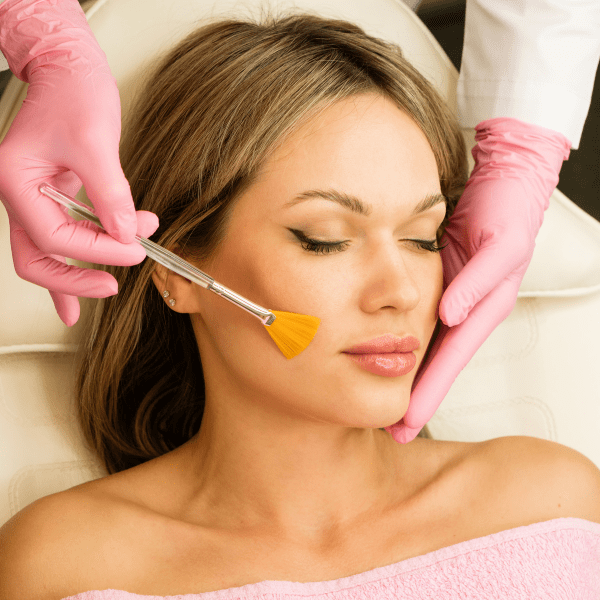
Chemical Peeling: Definition, Exfoliation & Skin Regeneration
Standard guidelines of care for chemical peels, 2008
Understanding Skin Exfoliation Treatments and Their Role in Anti-Aging Skin Care
How Medical Spa Chemical Peels Differ from At-Home Treatments
The importance of professional expertise and adherence to proper protocols in chemical peeling cannot be overstated, as highlighted by research on optimizing outcomes and avoiding common procedural errors.
Optimizing Chemical Peel Outcomes: Avoiding Common Mistakes
This article reviews the most frequent errors in clinical practice, including improper patient selection, inappropriate choice or misuse of peeling agents, inadequate skin preparation, technical errors during application, insufficient post-procedure care, poor patient-practitioner communication, and inadequate professional training. By emphasizing these pitfalls, the article highlights the need for evidence-based protocols, structured practitioner education, and comprehensive patient counseling to optimize clinical outcomes and safety.”
Common mistakes in chemical peeling procedures: Clinical and practical considerations, 2025
Which Types of Chemical Peels Are Best for Different Skin Concerns?
What Are Glycolic Acid, Salicylic Acid, and TCA Peels? Comparing Their Benefits and Side Effects
Each peel type has its unique benefits and potential side effects, making it crucial to consult with a professional to determine the best option for your skin type and concerns.
How to Choose the Right Chemical Peel for Acne Scars, Hyperpigmentation, and Wrinkles
When selecting a chemical peel, consider factors such as your skin type, the specific concerns you wish to address, and your desired outcomes. For acne scars, salicylic acid peels may be most effective due to their ability to penetrate pores and reduce inflammation. Glycolic acid peels are often recommended for hyperpigmentation, while TCA peels can be beneficial for deeper wrinkles and moderate to severe discoloration. Consulting with a skincare professional can help you make an informed decision tailored to your individual needs.
What Are the Benefits of Facial Peels for Skin Texture and Aging?
Facial peels offer numerous benefits for improving skin texture and reducing signs of aging.
How Do Chemical Peels Improve Skin Texture and Reduce Signs of Aging?
Chemical peels enhance skin texture by removing dead skin cells and promoting the growth of new, healthier skin. This process can lead to a more even skin tone, reduced appearance of fine lines, and improved overall radiance. Many patients report significant improvements in their skin’s smoothness and clarity following treatment.
What Clinical Evidence Supports the Effectiveness of Chemical Peels in Skin Rejuvenation?
Clinical studies have demonstrated the effectiveness of chemical peels in skin rejuvenation. Research indicates that patients experience a noticeable reduction in fine lines, wrinkles, and hyperpigmentation after undergoing chemical peel treatments. A study published in dermatological journals found that a majority of participants reported satisfaction with their skin’s appearance following a series of chemical peels, highlighting their efficacy in promoting youthful skin.
How Should You Prepare for and Care for Your Skin After a Chemical Peel?
Proper preparation and aftercare are essential for achieving the best results from chemical peel treatments. Before your peel, avoid sun exposure, certain medications, and skincare products that may irritate the skin. After treatment, moisturize regularly, avoid direct sunlight, and refrain from picking at your skin as it heals to prevent scarring.
What Are the Recommended Before and Aftercare Instructions for Chemical Peel Treatments?
Before undergoing a chemical peel, it is advisable to avoid sun exposure, certain medications, and skincare products that may irritate the skin. After the treatment, patients should follow specific aftercare instructions, including moisturizing regularly and avoiding direct sunlight. It is also important to refrain from picking at the skin as it heals to prevent scarring.
How Long Is Recovery Time and What Side Effects Should You Expect?
Recovery time varies depending on the type of peel performed. Generally, patients can expect some redness and peeling for a few days following a superficial peel, while deeper peels may require a longer recovery period of up to two weeks. Common side effects include temporary redness, swelling, and sensitivity, which typically subside within a few days to two weeks depending on peel depth.
What Are the Pricing and Consultation Options for Medical Spa Chemical Peels in Coral Springs?
Understanding the pricing and consultation options available for chemical peels can help you make an informed decision. At Beauty Health MedSpa in Coral Springs, treatment plans are personalized based on your skin concerns and goals, with pricing that varies depending on the type of peel and treatment extent. During your consultation, a skincare professional will assess your skin, discuss your goals, explain the available peel options, and provide a cost estimate to guide your decision.
How Does Beauty Health MedSpa Personalize Treatment Plans and Pricing?
At Beauty Health MedSpa, treatment plans are personalized based on individual skin concerns and goals. During the consultation, a skincare professional will assess your skin and recommend the most suitable chemical peel options. Pricing varies depending on the type of peel and the extent of treatment required, ensuring that each client receives tailored care.
What Should You Expect During a Consultation for Chemical Peel Services?
During a consultation for chemical peel services, you can expect a thorough assessment of your skin type and concerns. The practitioner will discuss your goals and explain the different peel options available. This is also an opportunity to ask questions and address any concerns you may have about the procedure, ensuring you feel comfortable and informed before proceeding with treatment.